
Our Story
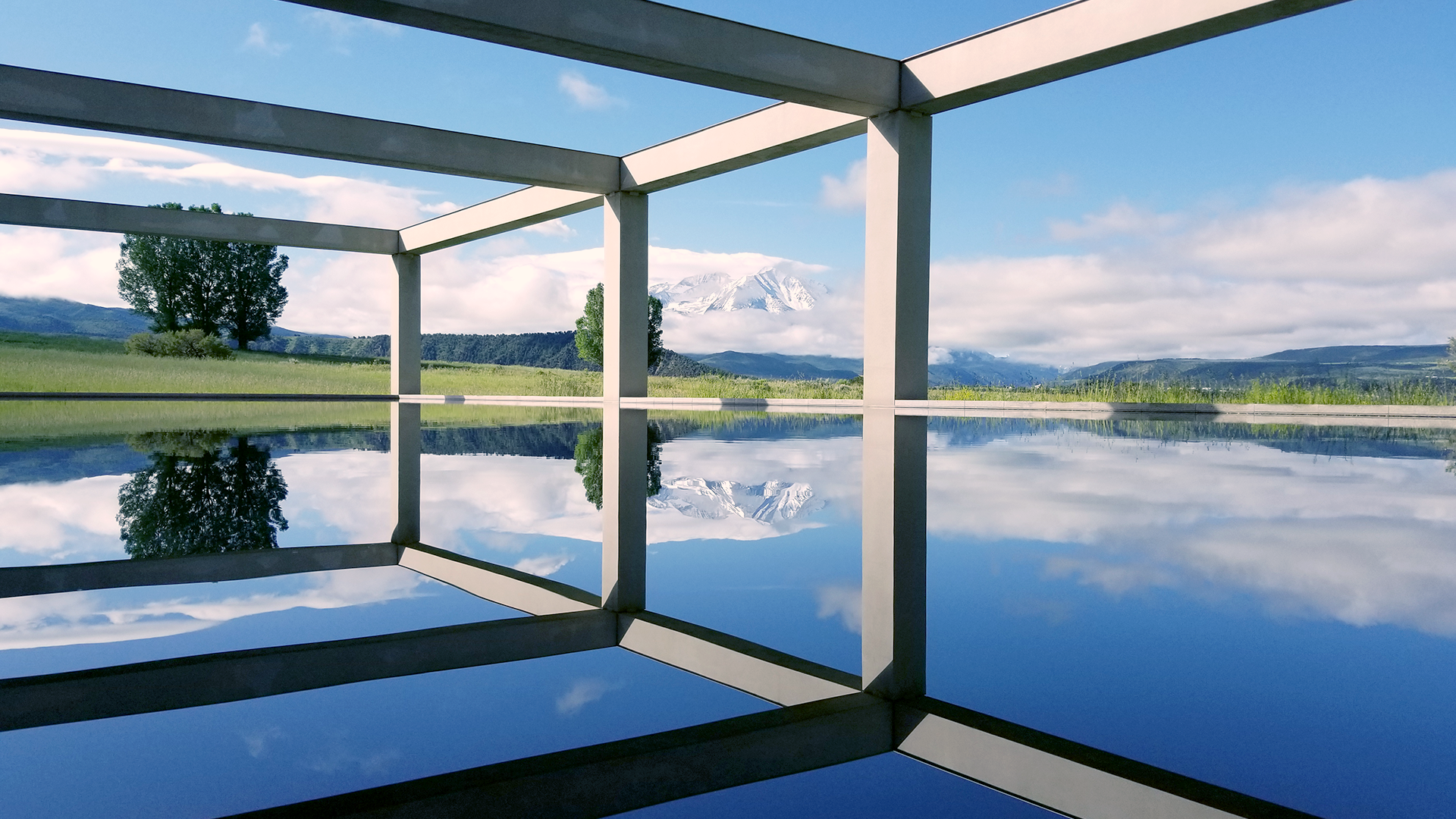
Ryobi Foundation
It started with a foundation in art
The Powers were early and enthusiastic champions of modern art at a time when many critics still dismissed it as frivolous. While living in New York, they became deeply embedded in the city’s artistic and social circles, hosting dinners, visiting studios, and forming close personal relationships with artists. Their collection grew to include works by many of the defining figures of Pop and postwar art, including Andy Warhol, Roy Lichtenstein, Claes Oldenburg, James Rosenquist, Tom Wesselmann, Jasper Johns, and Robert Rauschenberg, among others.
After relocating to the Roaring Fork Valley, the Powers continued to cultivate these relationships, frequently welcoming artists to Aspen and later to their ranch outside Carbondale, Colorado. In the late 1980s, John and Kimiko established the Ryobi Foundation to advance the appreciation and study of art.
Following John Powers’ death in 1999, Kimiko Powers expanded the foundation’s mission to support the creation of the Powers Art Center, steward the collection, foster scholarship centered on Jasper Johns, and preserve the family’s ranch near Carbondale. From this vision emerged the Powers Art Center—a museum in the middle of a cow pasture, dedicated to presenting some of the most iconic works of twentieth-century art.
Today, the Ryobi Foundation is led by John and Kimiko Powers’ grandchildren, Bobbi Hapgood and Jim Bohart.
Powers Art Center
A museum was born
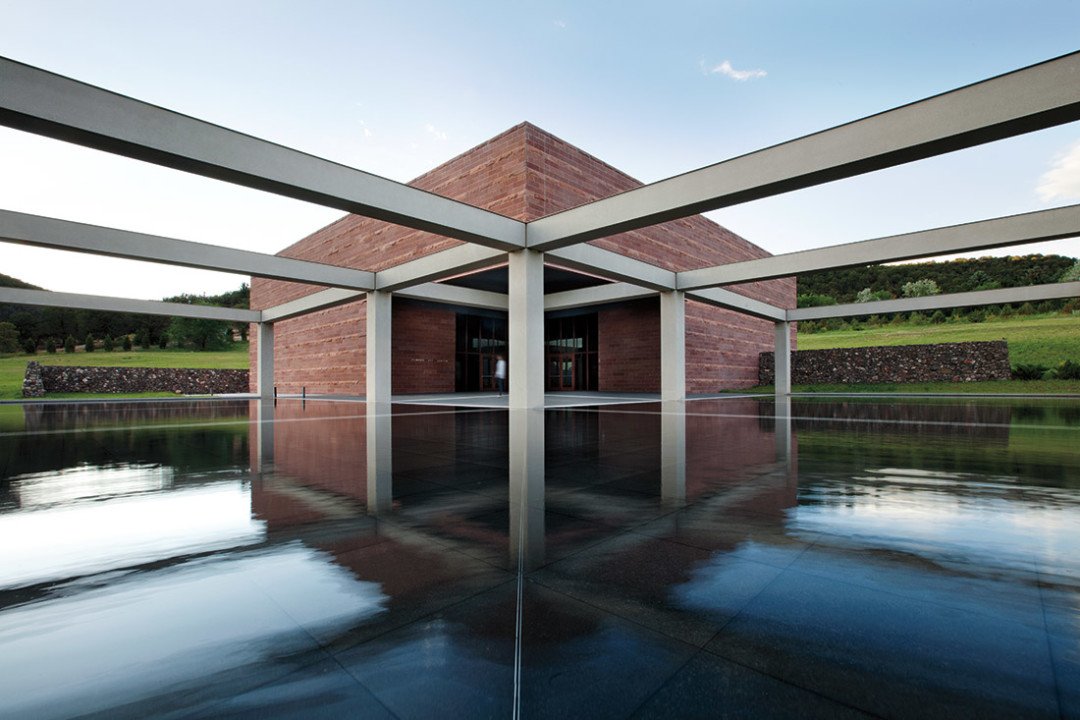
The Powers Art Center, as a building, is both a work of art and a model of sustainability. Designed by Hiroshi Nanamori from Tokyo, the sandstone cube blends seamlessly into Carbondale’s red rock landscape. Created with both beauty and environmental responsibility in mind, the building is powered by a geothermal field and a robust solar and battery system that supplies approximately 75% of the museum’s electricity.
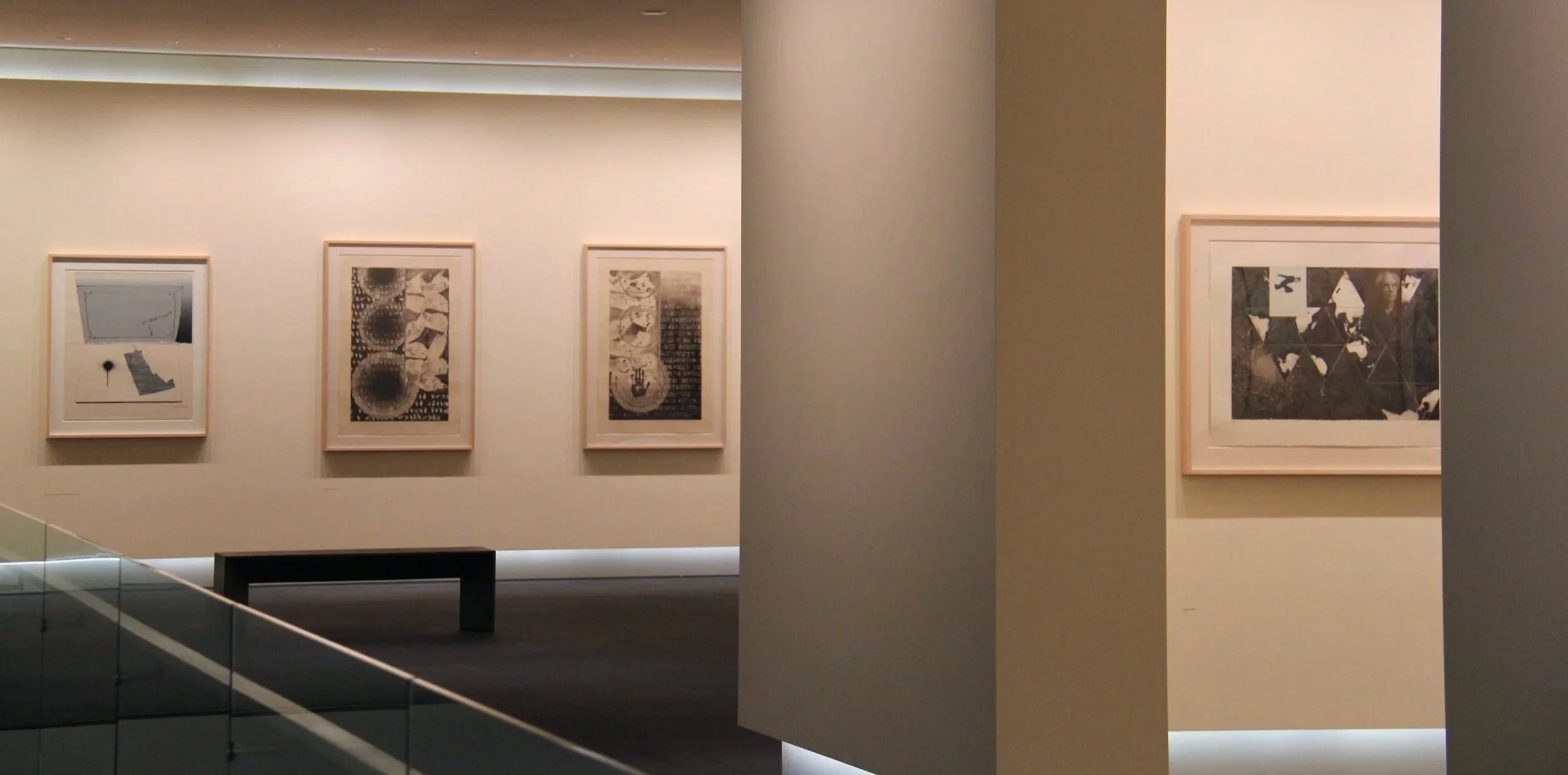
The museum features two floors. On the first floor, visitors can explore rotating exhibitions by major artists such as Andy Warhol, Robert Rauschenberg, Claes Oldenburg, and Roy Lichtenstein. This level also houses the library—a quiet, resource-rich space for guests, students, historians, and researchers.
Upstairs, the galleries are dedicated to Jasper Johns, showcasing one of the largest collections of his works on paper, spanning multiple decades of his artistic career.

The Study Center
A place for contemplation and study
John Powers was a lifelong learner who delighted in sharing books, articles, and essays with others. The Ryobi Foundation’s Study Center reflects his enduring curiosity and commitment to learning by providing access to art books and magazines, personal correspondence, archival photographs, and video documentation that chronicle the Powers’ life with art. These resources support scholars, graduate students, authors, curators, and others seeking to explore the artistic and cultural history that shaped the Powers’ lives and collection.
In 2025, the Ryobi Foundation established the Jasper Johns Study Center Fellowship for researchers and curators committed to advancing scholarship on Jasper Johns’ work. Fellows engage directly with the art collection and archives, contributing new perspectives on the life and legacy of one of the most influential American artists of the twentieth century.
The Land
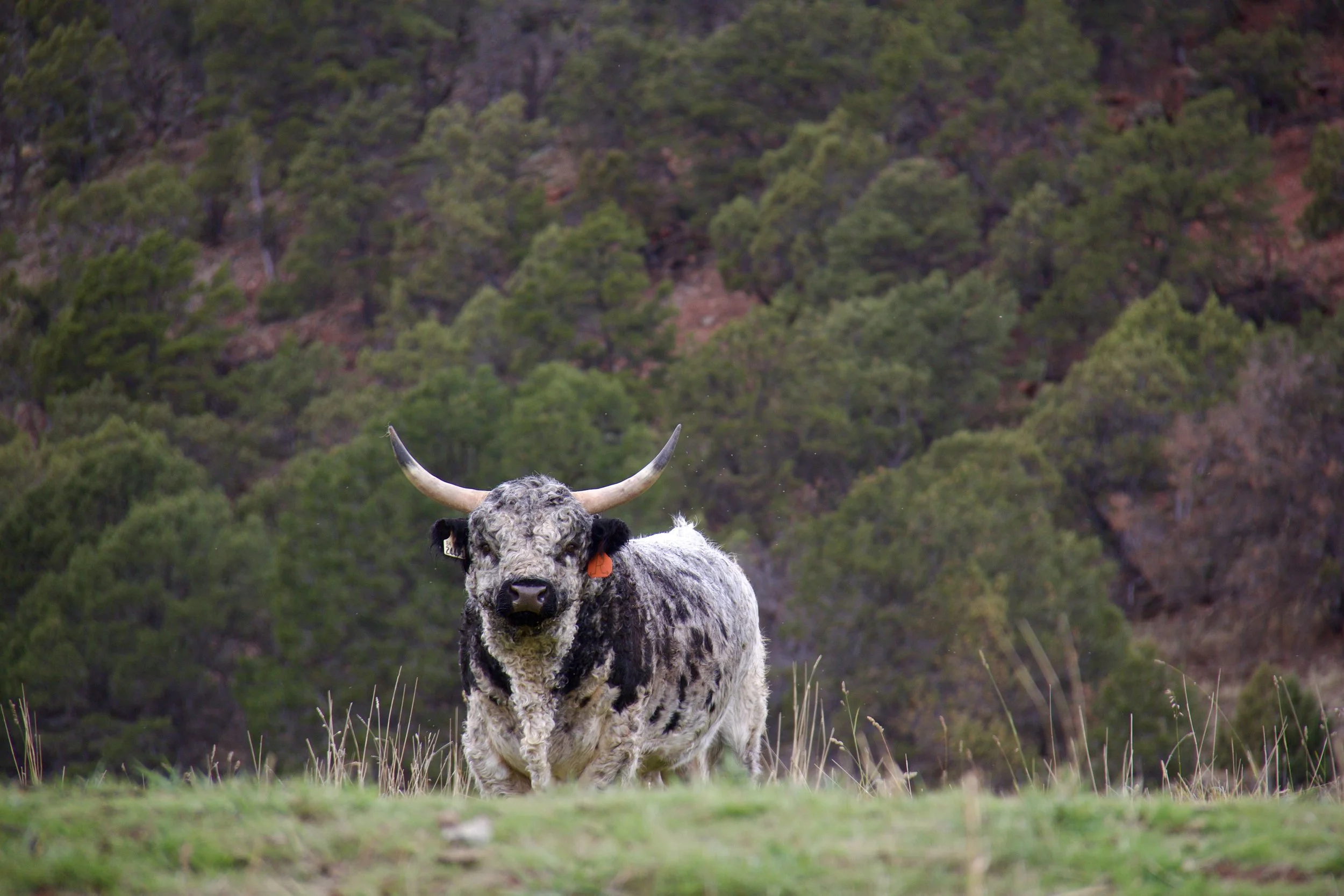
Surrounding the Powers Art Center is a 420+ acre ranch that has been stewarded and ranched by the Martin Family for three generations. The Martins were both close friends and business partners of the Powers. Today, Sean Martin, a successful businessman and rancher, oversees the cattle and ranching operations.
The land remains a working agricultural landscape and a habitat for elk, deer, bears, coyotes, mountain lions, and other native species. To ensure the long-term protection of this natural environment, the Ryobi Foundation partnered with the Aspen Valley Land Trust to place the ranch under a conservation easement, preserving its sweeping vistas and ecological integrity for future generations.
-
Jasper Johns (b. 1930)
Fragment-According to What Hinged Canvas, 1971
Fragment of a Letter, 2010
Ocean, 1996
© Jasper Johns and ULAE / Licensed by VAGA at Artists Rights Society (ARS), NY, Published by Universal Limited Art Editions
© Jasper Johns and Gemini G.E.L. / Licensed by VAGA at Artists Rights Society (ARS), NY, Published by Gemini G.E.L.
© Jasper Johns / Licensed by VAGA at Artists Rights Society (ARS), NY